Ten foods that improve BRAIN HEALTH – from attention and mood to cognitive capacity
02/05/2026 / By Lance D Johnson
- Modern nutritional psychiatry emphasizes that dietary choices are a foundational pillar for mental health and cognitive longevity, moving beyond traditional focus areas.
- Specific, nutrient-dense foods like kefir, small fish, lentils, and microgreens offer unique compounds that support the gut-brain axis, reduce inflammation, and promote neuroplasticity.
- Historical dietary shifts towards processed foods have disconnected us from these brain-supporting nutrients, making a conscious return to whole foods a critical step.
- Incorporating these foods can be simple, affordable, and deeply connected to social and emotional well-being, making brain health a daily practice, not a medical mystery.
- Expanding this list to include other powerhouses like avocados, walnuts, and rosemary creates a diverse dietary toolkit for supporting cognitive function.
Ten powerful foods for the brain
The journey into brain-supporting foods is, in many ways, a journey back in time. Consider the dramatic shift in the human diet over the past seventy years, a mere blink in our evolutionary history. Our plates have become dominated by processed creations, often stripped of the very fibers and phytonutrients our ancestors consumed in abundance. This disconnect may be at the heart of modern struggles with mood and memory. The emerging field of nutritional psychiatry is not about fad diets but about reconnection. It is built on the principle of nutrient density—the idea that every calorie should work hard, delivering a payload of vitamins, minerals, and antioxidants that our cells, particularly our neurons, need to thrive.
Take the humble lentil, a dietary staple for millennia. These tiny legumes are a powerhouse, offering a robust package of plant-based protein and fiber. Their true superpower for the brain, however, lies in their rich folate content. Folate, a B vitamin, acts as a crucial cofactor in the production of neurotransmitters like serotonin and dopamine, the very chemicals that regulate our mood. Low levels of folate are not merely a nutritional footnote; they are a significant risk factor linked to depression and cognitive decline. Tossing a handful of cooked lentils into a morning omelet or a lunchtime salad is a delicious act of neurological support, a direct infusion of the building blocks your brain uses to build a stable emotional landscape.
This concept of direct nourishment extends to the sea, but not necessarily to the usual suspects. While salmon gets much of the glory, nutritional pioneers are urging a look down the food chain. Anchovies and mussels, those often-overlooked tinned treasures, offer a brilliant paradox. They are packed with the coveted omega-3 fatty acids essential for maintaining fluid brain cell membranes and fighting inflammation, yet they avoid the higher levels of mercury that can accumulate in larger predatory fish. Choosing these smaller species is a triple win: a boon for personal brain health, a lighter burden on the wallet, and a more sustainable choice for our oceans. They whisper a lesson that bigger is not always better, especially when it comes to feeding our minds.
The conversation about feeding the brain inevitably leads to the gut, a connection once considered fanciful but now a cornerstone of scientific understanding. This is where foods like kefir shine. This tangy fermented drink is teeming with live probiotics, often called psychobiotics for their direct and positive influence on the brain via the gut-brain axis. Think of your gut microbiome as a vast, bustling community that communicates with your brain through a superhighway of nerves and chemical signals. A diverse, healthy gut flora, supported by fermented foods, helps regulate this communication, influencing everything from stress response to the clarity of your thoughts. Drizzling kefir into a smoothie or using it as the base for a salad dressing is more than a culinary choice; it is a way of tending to the internal garden that helps tend to your mood.
Some brain foods offer their benefits in small, concentrated packages. Dark chocolate, with its high cocoa content, is one such pleasure. Quality dark chocolate contains flavanols that improve blood flow, including the vital flow to the brain. This enhanced circulation can sharpen focus and memory, making a square or two of well-sourced dark chocolate a treat that truly pays cognitive dividends.
Similarly, blueberries have earned their stellar reputation. They are not just sweet bursts of flavor but are loaded with phytonutrients that protect neurons from damage and support the brain’s amazing ability to rewire itself, a process known as neuroplasticity. Keeping a bag of frozen raspberries or blueberries in the freezer ensures this support is available year-round, ready to be blended into a morning smoothie or stirred into oatmeal, their vibrant colors a hint of the vibrant support they provide within.
Then there are the newcomers, the literal youngsters of the plant world: microgreens and sprouts. These are not mere garnishes but nutritional powerhouses. In their first days of life, plants concentrate a tremendous density of minerals and protective compounds. Sunflower sprouts or spicy radish microgreens offer a crunchy, flavorful explosion of nutrients that can elevate any meal. Their lesson is one of hope and potential, a living reminder that growth and renewal are always possible, even for our brain cells. As one expert notes, eating them is a small, daily celebration of that potential.
On an exotic note, Lion’s mane mushroom enhances brain function primarily by stimulating the production of nerve growth factor (NGF), a crucial protein for neuron health. This action supports the growth, survival, and interconnection of brain cells. Pre-clinical studies confirm that its active compounds promote neuron projections, helping cells extend and communicate more effectively. The result is tangible cognitive improvements, including enhanced memory, sharper focus, and better overall cognitive performance.
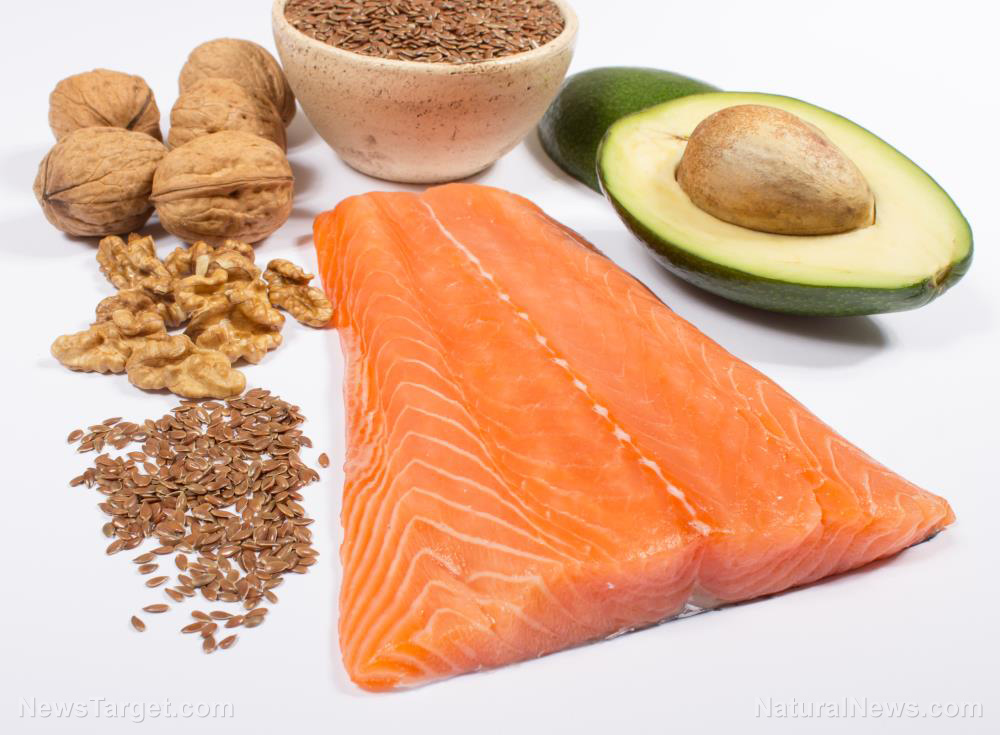
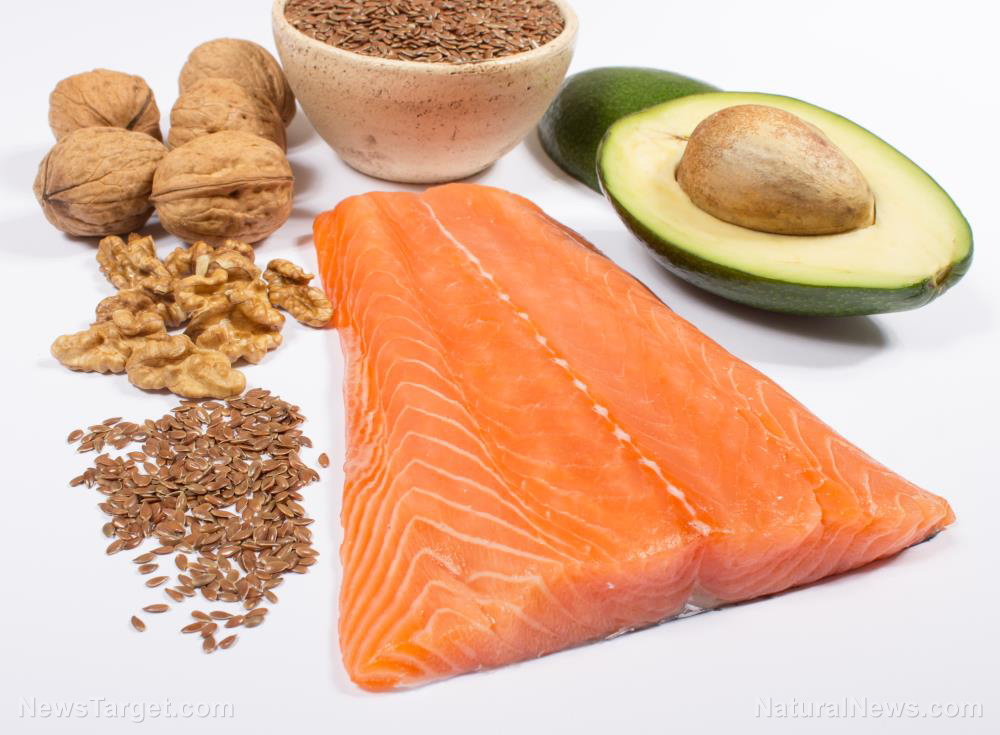
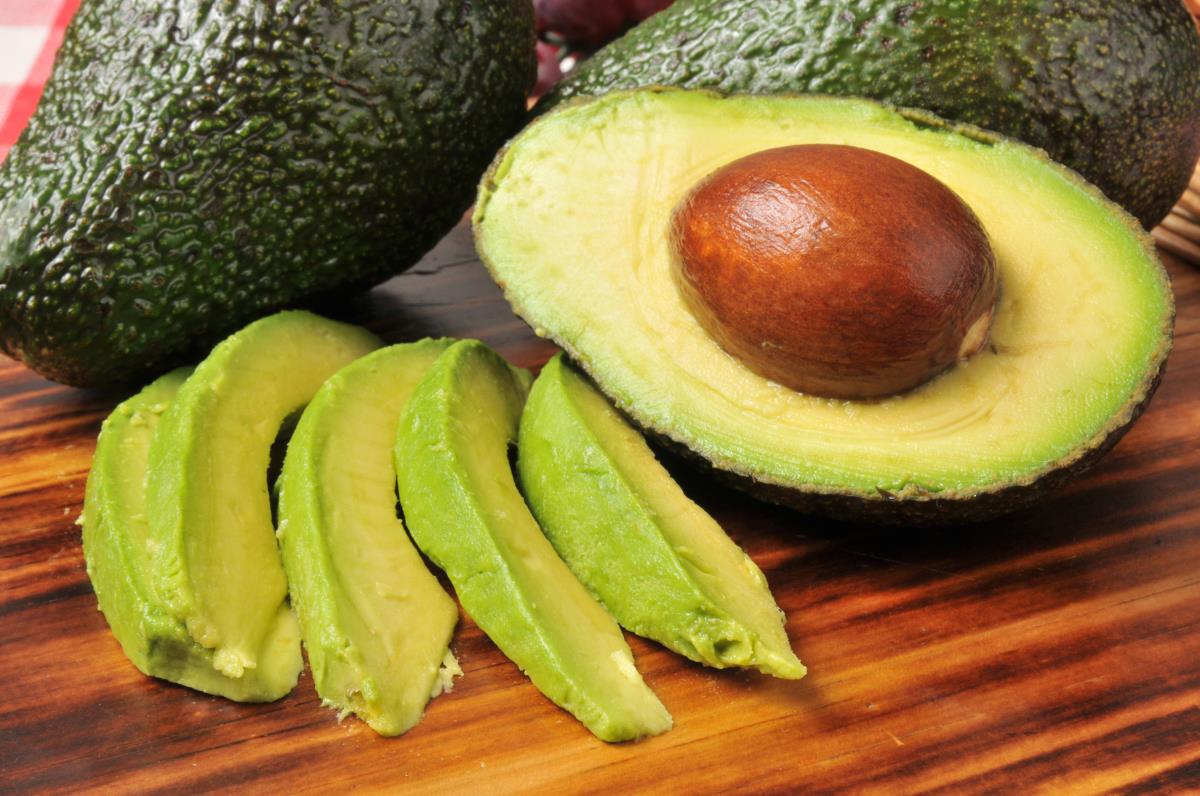
When thinking about the brain, also consider the creamy avocado, rich in monounsaturated fats that support healthy blood flow and contain vitamin K and folate, which are linked to improved cognitive function. Smashing one on whole-grain toast or adding slices to a salad incorporates these healthy fats seamlessly into your day.
Walnuts, with their uncanny resemblance to the brain itself, are another excellent addition. They are a top plant-based source of alpha-linolenic acid (ALA), a type of omega-3, and also contain antioxidants and compounds that may help reduce oxidative stress in the brain. A small handful makes for a perfect brain-boosting snack.
Finally, do not underestimate the fragrant herb rosemary. Research suggests that one of its aromatic compounds, carnosic acid, has neuroprotective properties. Finely chopping fresh rosemary and rubbing it on roasted vegetables or incorporating it into a marinade adds a flavor that is as good for your mind as it is for your meal.
Sources include:
Submit a correction >>
Tagged Under:
avocados, berries, brain health, cognitive function, dark chocolate, dietary choices, fermented foods, food psychology, gut-brain axis, Leafy greens, lentils, mental wellness, microgreens, neuroplasticity, nutrition, omega 3, rosemary, seafood, sustainable eating, walnuts
This article may contain statements that reflect the opinion of the author
RECENT NEWS & ARTICLES